General access restrictions for ski areas are not suitable to reduce the risk of infection during winter holidays. However, they would result in massive economic damage to winter tourism as a whole. In order to combat the pandemic, protection concepts must take effect at the individual locations of possible infections.
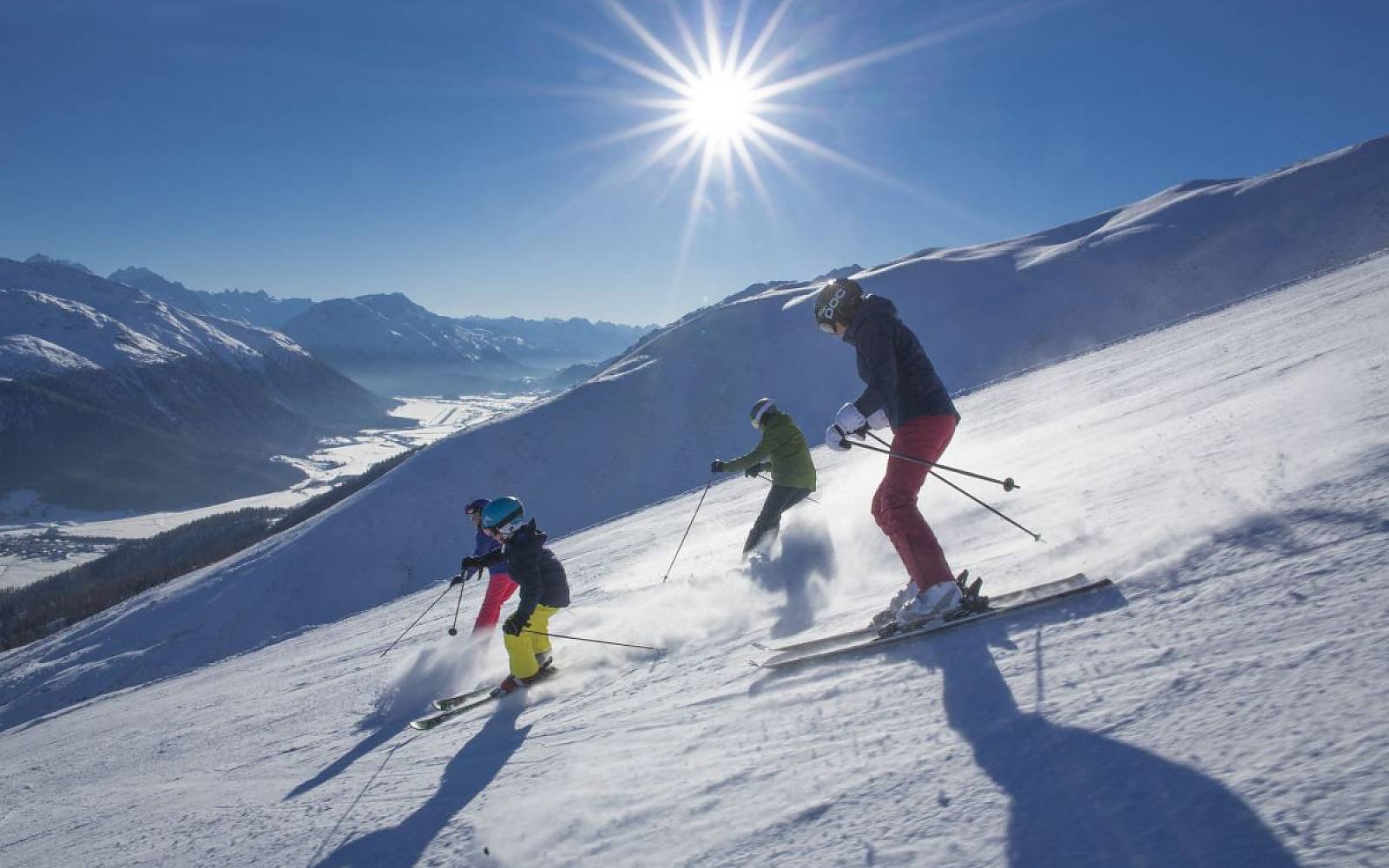
The federal government and the affected mountain cantons are looking for solutions to further reduce the risk of infection during the winter holidays. They are responding to the demands of neighboring countries, which want to effectively ban winter holidays over the holidays. Mountain railways and their transport and catering businesses have now become the focus of political demands.
Wrongly.
We cannot be completely indifferent to criticism of Switzerland from foreign governments: Italy could, for example, introduce a quarantine for returnees from Switzerland and abolish the special treatment shown in spring for cross-border workers working in Switzerland. However, they play an existential role for healthcare, mountain railways, hotels and restaurants in Grisons. A confrontation with Italy must therefore be avoided.
With rigorous measures against our mountain railways and ski areas, Swiss politics could perhaps quiet the neighbors. However, such steps miss the goal of fighting the pandemic. Ski holidays and skiing are not the same as après-ski parties. The classic après-ski with too many people in bars that are too small is no longer available this winter. The safety concepts of the catering sector regulate what is possible; they effectively protect guests and employees.
In recent weeks and months, tourism companies in mountain areas have invested a great deal of time and money in protection concepts with construction measures, special facilities and the training of their staff.
Summer experience has shown that it is possible to operate mountain railways and restaurants as well as outdoor sports lessons without an increased risk of infection.
When you close mountain railways, you also close hotels, cross-country skiing trails and hiking trails.
The federal government and the cantons are called upon to review additional measures exclusively with a focus on actual effectiveness. In order to avoid infections, protection concepts are needed in places where infections occur. Visitor limits across entire areas may make big headlines, but they do not yet guarantee protection against infections. This can only take place in individual companies if the concepts are implemented correctly. Extensive operating restrictions for mountain railways would also lead to closures. This would have disastrous consequences not only for these companies.
Mountain railways must not be considered in isolation from the rest of winter tourism. If they had to shut down their operations, it would drag a whole series of other companies down the abyss. When you close the cable cars, you ultimately also close hotels, restaurants, trails and hiking trails.
Safe and enjoyable holidays in the mountains are still possible. If we want to reduce infections in vacation and sports businesses, the guests must distribute them locally and over time.
The best way to do this is with the widest possible range of products and not with blanket restrictions.
Christian Gartmann is the initiator and head of the “Corona II Engadin” task force and its coordinator with the municipalities.