The investigation into the cause of the JU-Air JU-52 crash near Flims has so far revealed no evidence of a technical failure of the aircraft. JU-Air has ended its summer flight operations and is subjecting its aircraft to detailed inspection and maintenance until spring. A third JU-52 is scheduled to be restarted in 2019.
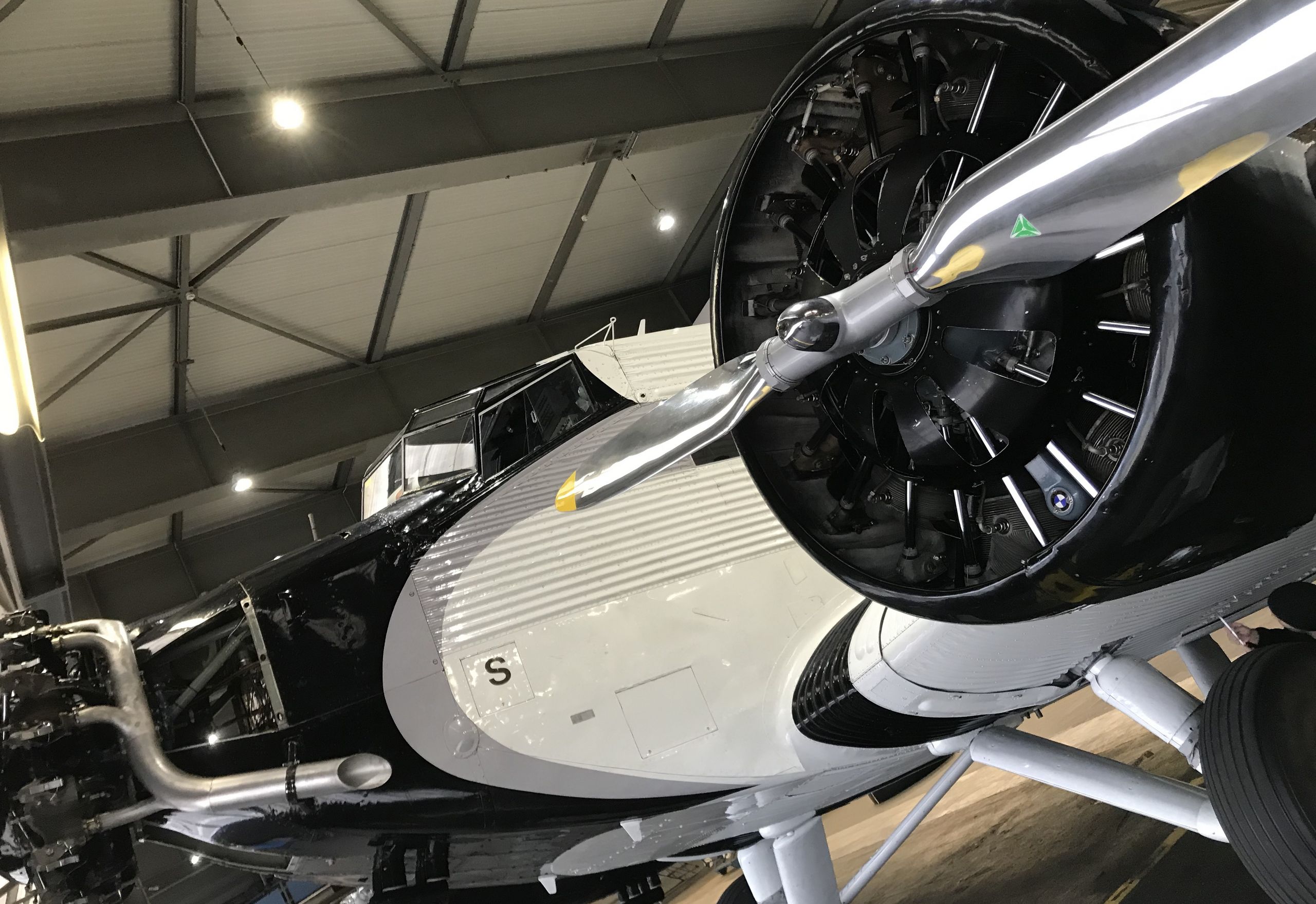
Three and a half months after the JU-Air JU-52 crash near Flims, the SUST accident investigation agency has published an interim technical report. The investigation did not reveal any evidence that a technical problem would have led to the accident. As a result, the aircraft carried enough fuel and all three engines ran at high speed. The investigation is not expected to be completed before next late summer.
JU-Air thanks SUST for the speedy and thorough investigation work carried out so far and will do its utmost to support further investigations. Corrosion damage was discovered on a destroyed wing of the accident aircraft, but according to SUST, this is not a cause of a crash. Until this damage has been thoroughly investigated and it is ensured that the other aircraft have no such damage, two of the JU-Air aircraft, which correspond to the accident aircraft in terms of manufacturer and age, must temporarily remain on the ground. JU-Air agrees to this temporary grounding.
Following the completion of summer flight operations, the two affected aircraft are already in Dübendorf for comprehensive annual maintenance. It is planned to resume JU-Air operations as planned in spring 2019.
Restart of a third JU-52
JU-Air intends to add a third JU-52 to its fleet again in the coming summer months. The preparatory work on the JU-52 currently parked in Mönchengladbach with the license plate HB-HOY has been completed to the point that the aircraft can be flown over to Dübendorf for a structural overhaul. The relevant permits are currently being applied for.
HB-HOY is a licensed JU-52 from the Spanish CASA plants, which is 10 years younger than the other JU-52s from JU-Air. Since the HB-HOY does not match the accident aircraft in terms of age and manufacturer and was also completely overhauled from 1991 to 1996, it is not affected by the mentioned grounding.
Maintenance development program
The damage that has now been discovered in the accident aircraft is not a cause of the crash. It affects one of eight spar pipes on the left wing and is located in a place where, despite careful inspection with previous research equipment, it could not be discovered. It only came to light when the plane was completely damaged in the crash. JU-Air has already started a project to ensure that its other aircraft are not damaged, as was found in the accident machine.
As before, it will work closely with the Federal Office of Civil Aviation (FOCA). Since 2011, JU-Air, BAZL and the aviation division of the Zurich University of Applied Sciences (ZHAW) have been running a program for the long-term maintenance of aging aircraft. This also includes the development of monitoring corrosion and material fatigue.
Contact JU-Air
Christian Gartmann, Communications Officer
+41 79 355 78 78
christian@gartmann.biz
Christian Gartmann has been supporting JU-AIR in crisis management and crisis communication since the day of the accident. Comprehensive and transparent information for the public and communication with the families of the victims are at the heart of the efforts. Christian Gartmann acts as media spokesperson for the airline and actively supports media professionals in their individual editorial work.
He supports company management in communication with relatives of accident victims, for example when implementing memorial events.