An event or crisis situation can affect any organization and any person. Viewed soberly, most of these situations are, at least in part, predictable. Risk analysis and appropriate risk management help to avoid being caught off guard by an escalation. Good risk management is essential for survival when working in areas of tension and crisis.
Incident or crisis situations are usually perceived by those affected as a sudden worsening of circumstances, which entails a great deal of uncertainty. They usually arise from existing risks that have either existed in the organization before or have an effect on the organization as unwanted external influences.
If you are aware of these risks, you can prevent events and crises or prepare yourself better for them. If an adverse event or even a crisis does occur, the organization can act prudently, quickly ward off avoidable threats and prepare to deal with the situation.
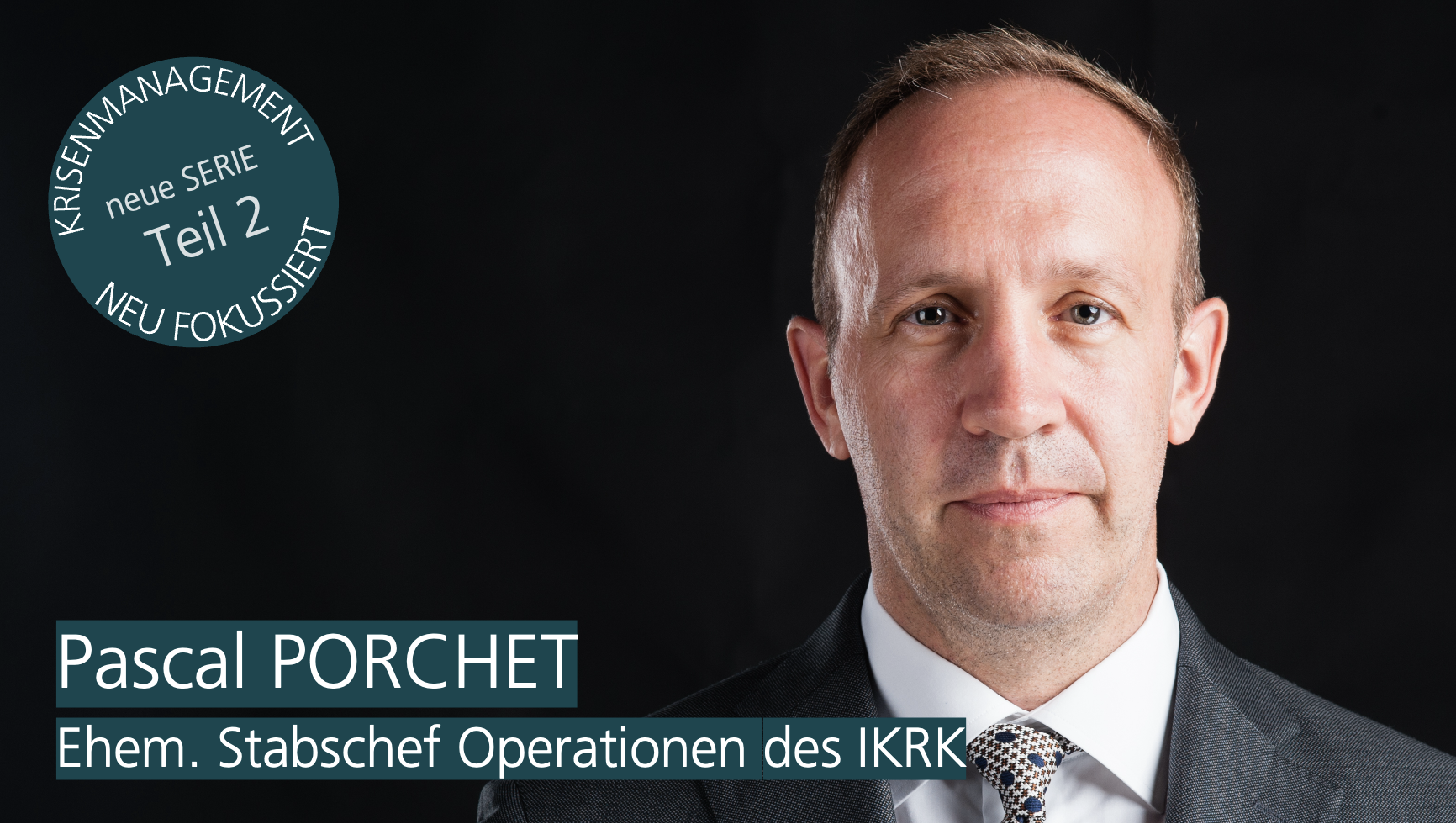
Organizations that work in external conditions that are particularly difficult or dangerous must carry out a special form of risk management. For them, assessing risks faced by their employees is part of everyday life. that International Committee of the Red Cross (ICRC) is such an organization. “Defined grids, processes and procedures help to work systematically. You shouldn't forget a step and don't overlook anything important,” explains Pascal Porchet, who worked for the ICRC in nine countries for more than 18 years. He himself and his teams moved in areas of tension and war every day. A thorough Risk analysis It was part of the preparation of every mission.
Dealing with risks
Risk management is concerned with recording and treating existing risks that could lead to an event or crisis situation. It assesses risks according to the likelihood that they will occur and the damage that could result from their occurrence. Finally, risk management examines options to prevent an occurrence or to limit the potential damage resulting from an occurrence.
Risk management is central when it comes to preparing an organization for possible events and crises. However, such situations can occur. They not only require experience to prepare but also to manage them, says Porchet: “On the other hand, it also requires ingenuity, imagination and imagination. Sometimes, at the heart of the seemingly 'dumbest' idea, you find a good approach that can lead to the best and safest solution. Dealing with risks requires a great deal of creativity.”
Anticipating risks that burden an organization is an important management task. In order for it to be successful, it should not only be noticed by managers or company management. “Responsibility and decisions lie with supervisors, but risk analyses are best done locally and 'bottom up, '” says Pascal Porchet based on his many years of experience. Risk management is not a task that can take place in an ivory tower.
Pascal Porchet is one of numerous experts who published in the new textbook Risk management — refocused talk about their experiences. It goes beyond traditional crisis management and also enables lessons from related subject areas. Numerous reports include not only crisis managers, but also experts from the fields of surgery, psychology, aviation, tourism and the media. Risk communication and risk dialogue are among the important topics of this book.
More about this book at www.gartmann.biz/author
Pascal Porchet
Pascal Porchet (born 1972) worked in investment banking at a Swiss private bank before joining the International Committee of the Red Cross (ICRC) in 2004. In Nepal, Rwanda, Pakistan, Kashmir, Iraq, Colombia, Niger and the Philippines, he took on tasks ranging from simple delegate to head of mission. At headquarters in Geneva, he was most recently Chief of Staff International Missions of the ICRC. Since 2023, Pascal Porchet has been Head of the Office of Military and Civil Protection and Chief of Cantonal Management Staff in Grisons. He is married and father of two sons.
What did you think of this post?
Share and comment on it on your LinkedIn profile.