In May, the Federal Council allowed SRG to broadcast “important political, economic, sporting and cultural events” on the Internet as well. But SRG doesn't seem to really know yet what to do with the wonderful new opportunities.
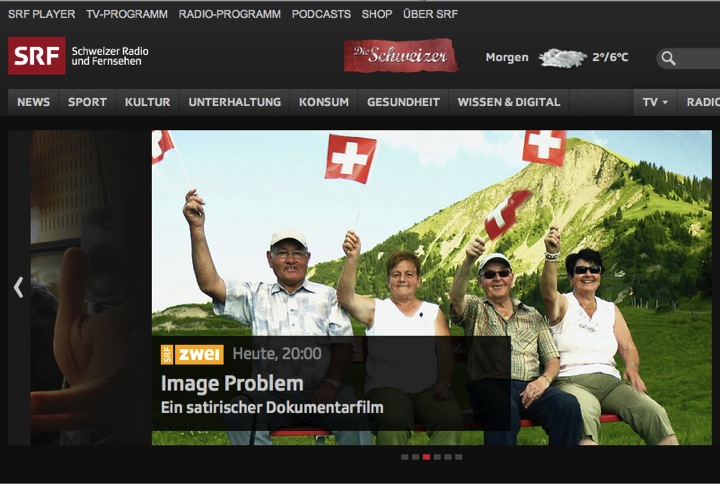
The topic is a hot topic: Online as a distribution channel is now also accepted in federal states as an alternative to traditional broadcasting. An invitation, in November on sport.forum.schweiz 2013 However, the responsible program officer at SRF kindly declined to discuss new transmission options for Swiss sport. A test phase lasting several months is running and only then would something be decided, he said.
The fact that SRG is taking its time is only astonishing at first glance: For decades, it had put off countless organizers, associations and leagues on the grounds that they had no program places to show everything that was being offered to the “public service” provider. With the opening up of transmission options, this justification has now become obsolete, and there is a threat of an avalanche of ever louder inquiries and demands for the now, at least theoretically, unlimited program places available.
Why wait for SRG?
Larger soccer and ice hockey clubs didn't want to wait for SRG: FC Basel or SC Bern, for example, have long since discovered online moving images. “Stadion TV” and “Rotblau total” are the names of the contributions from Joggeli, where video contributions began back in 2008. “SCB-TV” is the name of a new video offering from the Swiss ice hockey champion. The video contributions provide interviews, background information and side notes.
However, people search for Swiss sports broadcasts online in vain: In addition to the lack of rights, which are mostly sold by the leagues to gold donkey SRG, production costs in particular are a major hurdle. Television is not only sexy, but above all expensive. Anyone who uses a lot of money also needs a return on investment, i.e. many viewers who can be gilded with advertising revenue. And they are only available in a high-reach channel.
If you search for video material about “Swiss Sport” on Google, you will now find the top three places Swiss sports television SSF, a soccer contribution from SRG and the sport.ch channel on YouTube. While random, this snapshot is symptomatic:
- With the sheer reach of its portal, SRF is all but set for a top Google position. You play in a league with the heavyweights 20min.ch and Blick.ch, but you have an incomparably much more video content to offer.
- sport.ch has a good brand and is now reaching appealing user numbers. Compared to srf.ch, however, it is still a dwarf: It generates just a ninth of unique clients.
- SSF appears number one on Google's hit list. That's nice, but the broadcaster's niche policy isn't working: B-leagues and fringe sports ultimately attract too few viewers, and the very broad audience simply doesn't know that the SSF even exists. The SSF brand is too weak, and with a distribution of channel number 30 on the cable network, there is little more to win than winning the famous flower pot.
Dissemination is more than just a technical issue
If you want many viewers, you need recognition, i.e. a strong brand and relevance with the most important search engines. No wonder, then, that Swiss sports, Swiss culture and many Swiss organizers are eagerly awaiting the new opportunities for live and on-demand broadcasts via SRG's online channels.
It's no wonder that she doesn't look at the cards yet. For the state-owned broadcaster, Internet distribution is a strategic asset whose use needs to be carefully planned. Because what is true on television should one day also apply on the Internet: Where SRG once set foot, there will be no more grass for other providers.
This article was published in the magazine”Personally” from November 2013.