Direct contact with those affected and dealing with allegations and criticism are among the important tasks of a modern event and crisis organization. The Governor of Tyrolean* Anton Mattle remembers the avalanche disaster of 1999 in Galtür, which he himself experienced as a participant.
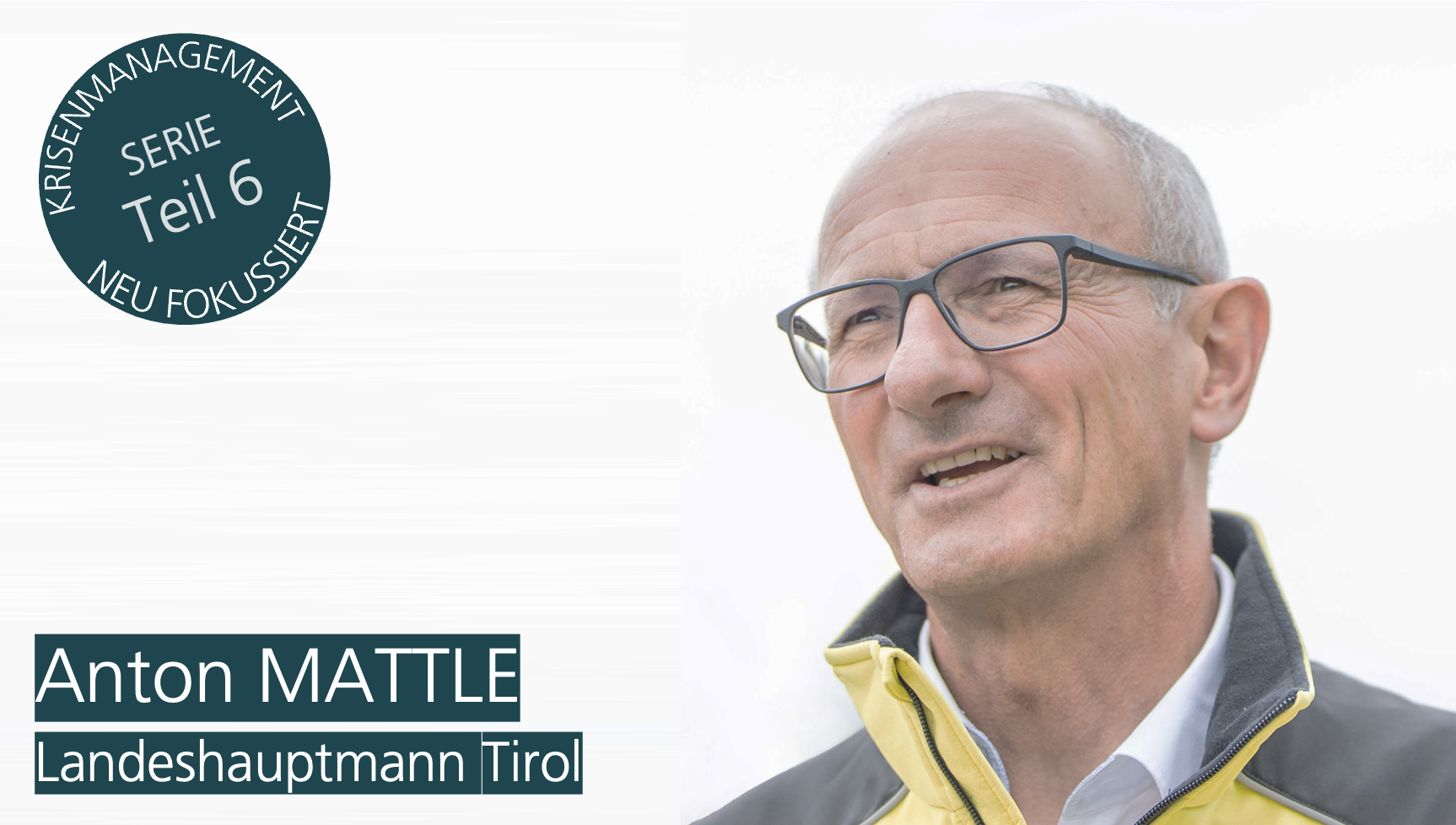
Anton Mattle was the mayor of Galtür in Tyrol in 1999 when a huge avalanche entered the village and killed 31 people. In the weeks and months following the disaster, he became an important interlocutor for the victims' families. The fates associated with the disaster did not leave him indifferent. “Sometimes it took me half a day to get back on my feet after talking to family,” he remembers.
The communication work was anything but easy: A section of the media and relatives openly accused him and the municipal authorities of being responsible for the disaster. Others praised the great efforts of the community and the rescue workers, who were able to free more than 20 people from the masses of snow. Although a comprehensive investigation was carried out on the question of guilt, it was only two years after the accident that Mattle and other defendants were exonerated.
Crisis communication only works in dialogue
Mattle was ahead of his time: In 1999, communication work did not yet have the significance it has in leadership today. Today, it is one of the central tasks of management, even more so in an event or crisis situation than in the normal situation. Event and crisis communication can only be successful if communication managers within the organization have direct access to all responsible parties and access to all information. Communication is therefore a fully-fledged specialist area of every management team and also part of its core staff.
Modern event and crisis communication is a constant dialogue: It provides information about current developments, explains the background and listens carefully when those affected report their needs and impressions of the organization's situation and activities. Communication with those affected is “the be-all and end-all” of leadership in the event and crisis situation, says Mattle looking back. This also includes dealing with criticism and allegations. “I quickly learned that you shouldn't avoid allegations. You have to face them. You can only get them out of the way if you talk about them openly.”
“Ruthlessly honest in everything...”
Direct contact with victims and relatives can be very demanding for those responsible: “There were conversations that I was afraid of,” Anton Mattle admits bluntly. “When a mother has lost her children or her husband, you can't blame her for looking for someone to blame or an outlet for her feelings.” In addition to those directly affected, who had lost their loved ones or their house, the entire village also suffered. Galtür had become a symbol of deadly force of nature, there were no tourists and the town was on the brink of economic collapse. In hundreds of conversations, he tried to make the incomprehensible explainable.
“We were always transparent and relentlessly honest in everything. That is probably why our communication has remained authentic.” Mutual understanding can only be achieved through dialogue with those affected. It is the basis for new trust. “You have to earn trust. That is why communication is very important even after the crisis,” says Mattle, looking to the future: “There is always life after the crisis. If you don't communicate the crisis well, you can destroy a great deal and also damage the basis for continuing to live after the crisis.”
New textbook
Anton Mattle's experiences are part of the new textbook Crisis management refocused. Numerous experts talk about their experiences in real events and crisis situations. Not only do crisis managers have their say, but also experts from the fields of surgery, psychology, aviation, tourism and media. The practical book deliberately looks beyond classic crisis management and enables readers to learn from related subject areas.
*The Governor is the Minister-President of Tyrol.
Anton Mattle
Austrian politician Anton Mattle (*1963) has been Governor of Tyrol and state party chairman of the Tyrolean People's Party (ÖVP) since 2022. He was previously Minister of Economic Affairs of the Federal State in 2021 and 2022. From 1993 to 2021, Mattle was mayor of the town of Galtür in West Tyrol not far from the Swiss border. Before entering state politics, he had managed his own electrical installation company there. Mattle is married and the father of three adult children.